
*This post may contain affiliate links for which I earn commissions.*
Buying a blender might seem simple until you realize just how many options there are. From sleek personal blenders to powerful, but pricey countertop machines, the choices can be overwhelming. Although high-end models often promise better performance, a higher price doesn’t always mean you’ll get the best blender for you.
If you’re like most shoppers, you’ll make the same avoidable mistakes: focusing on the wrong features, overlooking practical details, or falling for marketing hype. The result is often buyer’s remorse, unused appliances, and wasted money.
Whether you’re upgrading your kitchen or buying your first high-performance blender, my guide will walk you through the most common blender buying mistakes and show you exactly how to avoid them. Becoming a smart shopper starts with knowing what blender features to avoid.
Focusing Only on Motor Power
People often make the very common mistake of assuming that a higher motor wattage automatically means more efficient blending power. While power is important, it’s not the only aspect that determines how well a blender works. Jar shape, blade design, and overall engineering play a huge role in actual results. A poorly designed high-wattage blender can still struggle with basic tasks. Instead of focusing solely on the specs, you should consider how the blender handles your real-world tasks like crushing ice, making nut butter, or blending greens.
Ignoring Noise Level
It’s easy to overlook the noise level when shopping for a blender — until you turn it on. When I bought a high-performance blender, I was so excited about all the things I was going to make — yummy smoothies, soups, sauces. What I didn’t expect was how loud it’d be. The first time I turned it on, my husband clapped his hands over his ears. He wears hearing aids, and they pick up sound too well. I’d done my homework on motor power and durability, but never thought to check blender noise levels. Now, “quiet operation” is one of the first things I look for in any appliance in deference to my husband’s ears.
High-end blenders are powerful, and that power often comes with volume. For those living in apartments, with young kids, or who enjoy peaceful mornings, a noisy blender can be disruptive. Some buyers don’t realize how loud their blender is until they’re stuck using it daily with earplugs. To avoid this mistake, check product descriptions for noise-reduction features or look for models advertised as quiet. Watching demonstration videos can also give you a better idea of the sound level before you buy.
Overbuying for Infrequent Use
It’s tempting to go all-in on a premium blender loaded with impressive-sounding features. But you might end up with an expensive machine that you’ll use once a week — if that. Buying a commercial-grade model for the occasional smoothie or frozen drink can lead to regret and wasted money. If your needs are relatively simple, you mightn’t need every bell and whistle a high-end blender offers. The key is to match your purchase to your actual lifestyle, not just your aspirations.
Forgetting About Cleaning Ease
A blender that’s powerful but difficult to clean will quickly get left on the shelf. Some models have jars that trap residue in corners, or blades that are tricky (and sharp!) to clean thoroughly. If cleanup is a chore, you’ll likely avoid using the blender altogether. On the flip side, a model with dishwasher-safe parts, removable blades, or a built-in self-cleaning cycle can save time and frustration. When comparing options, always consider how easy the blender is to clean on a daily basis — because that’s what will determine how often you actually use it.
Buying a Blender That’s Too Tall
Many countertop blenders, especially high-performance models, are taller than you might expect. One overlooked issue is cabinet clearance. If your new blender doesn’t fit under your upper cupboards with the jar and lid in place, storing it on the counter becomes awkward. I know from personal experience that some buyers only realize this after opening and assembling it. To avoid this mistake, measure the vertical space where you plan to keep the blender and compare it with the product’s total height. If you have limited clearance, look for low-profile or more compact designs.
Assuming All Blenders Handle Hot Liquids
Not all blenders are built to handle hot liquids. Pouring steaming soup into a standard blender can cause dangerous pressure buildup or could even damage the jar. This mistake often happens when buyers assume heat-safe blending is a standard feature. Some blenders are designed to handle hot ingredients safely with vented lids and heat-resistant materials, while others aren’t. If you make a lot of soups or sauces, check that the model is rated for use with heat.
Ignoring Warranty Details
Long warranties often sound reassuring until you read the fine print. Many buyers assume a 7- or 10-year warranty covers everything, but in many cases, only the motor base is protected. Jars, blades, and accessories may not be included, and some warranties require you to pay shipping or service fees. Before committing to a high-end blender, take the time to understand exactly what’s covered and for how long. A shorter, more comprehensive warranty might be more valuable than a longer one with limited coverage.
Overlooking Replacement Part Availability
Blenders are made up of components that can wear out or break: jars crack, blades dull, lids warp. Some brands make it easy to replace these parts, while others don’t. Buyers often fail to check part availability until something goes wrong. Then they’re stuck replacing the entire unit over a small issue. Avoid this by choosing a brand with good customer support and widely available replacement parts. If you can’t find parts online or through the manufacturer, that blender may not be a smart long-term investment.
Not Considering Small-Batch Performance
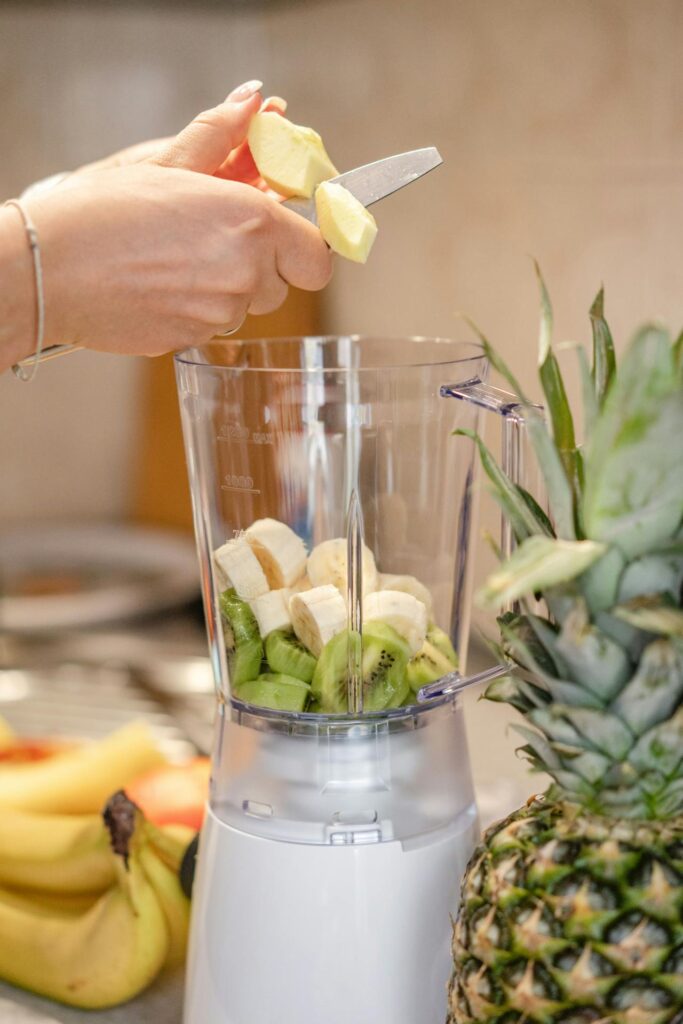
Larger-capacity blenders are great for big families, but for smaller families or singles, they don’t always handle small amounts well. If you’re trying to blend a single serving of a smoothie or make a small batch of sauce, the ingredients can get stuck, resulting in uneven blends or burned-out motors. Many buyers don’t realize this until they try it. If you often make small batches, look for a blender that includes a smaller cup or jar accessory, or one specifically designed to perform well with a range of volumes.
Buying for Looks Over Function
It’s easy to fall for a sleek design, especially if you want to keep the blender on your countertop. But a good-looking blender that doesn’t perform well will quickly become an expensive decoration. Some stylish models lack the power, durability, or ease of use found in more practical designs. While it’s not wrong to want a nice appliance, performance should come first. Once you’ve narrowed down a few reliable options, you can choose based on color or design, but never let appearance be the deciding factor.
A high-end blender can transform how you cook, prep, and eat if it fits your real needs. Avoiding these common buying mistakes will help you know what to look for in a blender that actually works the way you expect, saves you time, and stays useful for years to come. Before you spend your money, think about how you’ll use your blender day-to-day. Do your research, compare the details, and don’t be swayed by marketing or shiny finishes alone. A little planning in choosing the right blender now can save you from big regrets later.